Drug & Alcohol Testing: Is Refusing to Take a Post-Incident Test Grounds for Termination?
Post-incident testing isn?t automatically justified just because an incident occurs


Post-incident testing isn?t automatically justified just because an incident occurs
Qubec treats mental stress just like any other work injury or occupational disease.
Saskatchewan covers only traumatically-induced stress but PTSD and other recognized psychological disorders are presumed work-related.
Yukon?s coverage rules are among the most restrictive in Canada.

Alberta?s mental stress coverage is among the broadest in Canada in both scope and presumption of work-relatedness

BC covers acute and chronic stress, both traumatic and non-traumatic, and has a coverage presumption for emergency responders, police officers and firefighters.
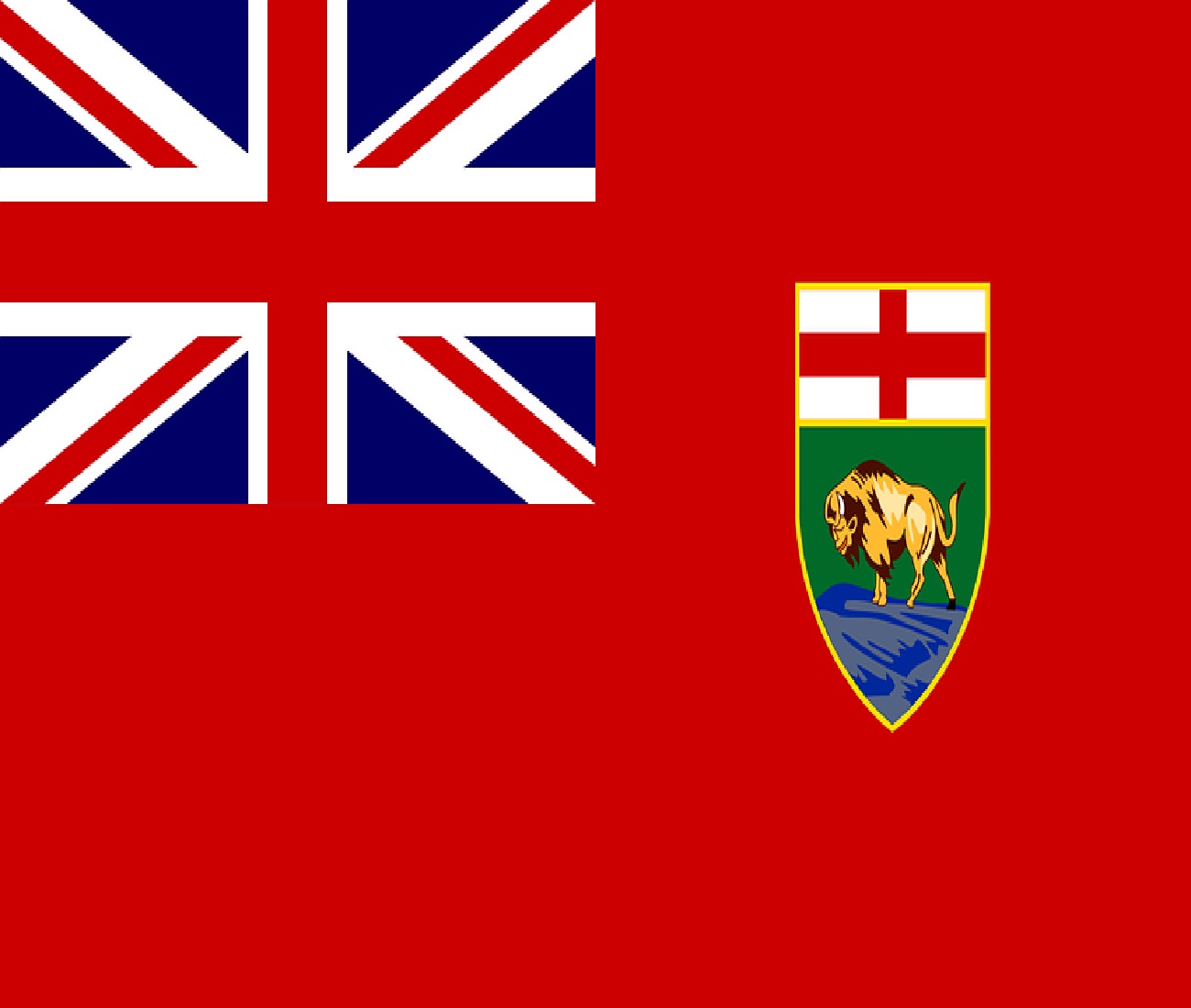
In Manitoba, coverage is relatively limited but also relatively easy to prove

New Brunswick?s coverage rules are among the most restrictive in Canada

Newfoundland covers both acute and chronic stress but only if it?s traumatic and there are no coverage presumptions.

Northwest Territories & Nunavut coverage rules are among the most restrictive in Canada

Nova Scotia's coverage rules are among the most restrictive in Canada.

Ontario covers traumatic and chronic stress induced by non-traumatic stressors and has a limited PTSD coverage presumption.

PEI covers both acute and chronic stress as long as it?s triggered by traumatic events; its coverage presumptions are among the broadest in Canada

August 8, 2018 | Workers have important legal duties under Occupational Health and Safety laws across Canada. Workers are the primary beneficiaries of a safe work place. Yet workers often fail to understand their duties and follow employers' safety policies.ÿ
