About vickyp

This author has not yet filled in any details.
So far vickyp has created 5940 blog entries.

Corporate Social Responsibility Is Important to Not Only Customers But Also Employees

Customers often consider a company's commitment to being socially responsible when making purchases. But a new poll shows employees value social responsibility in their employers, too.
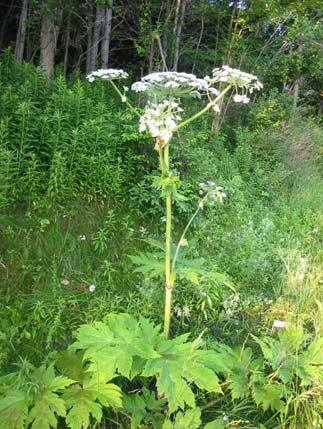
How to Protect Outdoor Workers from Poisonous Plants

In addition to heat stress, insects and wild animals, you may also need to protect outdoor workers from hazardous plants that can cause rashes, hives and even worse.

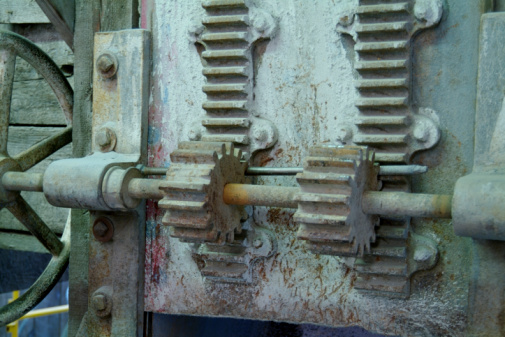
MACHINERY & EQUIPMENT: 5 Key Elements of a Troubleshooting Policy

Troubleshooting machinery & equipment is common and inherently hazardous. So you should have a troubleshooting policy to ensure that workers can do so safely.

Split Views on Promotion of Wellness in the Workplace

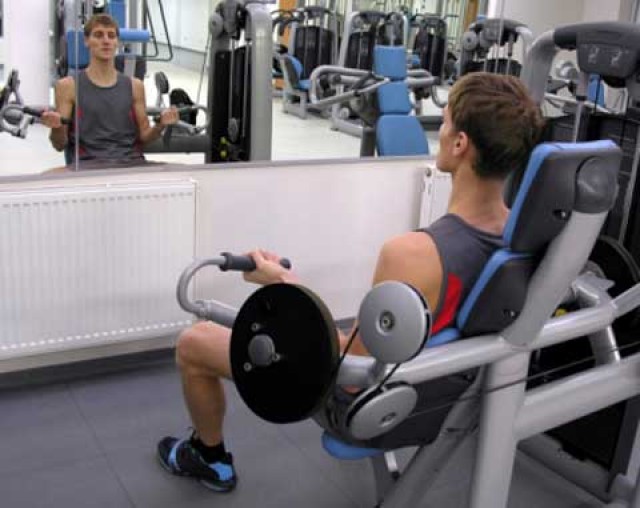
While many companies actively encourage their workers to be healthier, some still don't promote wellness. But workplace wellness programs can benefit workers & employers.

Irving Pulp: What This Supreme Court Decision Means for Your Alcohol & Drug Testing Program

The Supreme Court of Canada just issued its long-awaited decision on the validity of Irving Pulp?s random alcohol testing policy at its paper mill.

MAKING THE BUSINESS CASE FOR EHS: Report Shows Companies Can Be Environmentally Progressive & Increase Revenue

A recent report contains examples of major companies that have managed to be both environmentally progressive while increasing their revenue.

By |2013-06-20T00:00:00-07:00June 20, 2013|Environmental, OHS Leadership, OHS Program, TOPIC|0 Comments

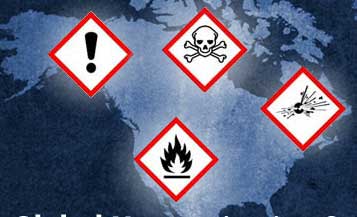
ALERT: Canada and US Agree to Cooperate on GHS Implementation

Canada previously announced its intention to adopt the UN?s Globally Harmonized System (GHS), an international system for classifying and labelling chemicals. The plan is to align with the US, which has already taken steps to implement GHS.

Recent Alberta OHS Case Illustrates Sentencing Factors in Action

A court recently fined an Alberta company $100,000 for a non-fatal safety incident. Here's a look at why the court imposed this high sentence.

Go to Top