When you’re starting to drown between employee concerns, payroll duties and helping your CEO -- HR Insider is there to help get the logistical work out of the way.

As summer draws to a close, many employers assume the worst of the heat is behind them. In reality, late summer can be one of the most dangerous times of year for outdoor workers. High temperatures often persist into August and September, while accumulated fatigue, changing weather patterns, and a false sense of security can increase the risk of heat-related illnesses. For organizations responsible for protecting construction crews, utility workers, landscapers, agricultural employees, road maintenance teams, and other outdoor personnel, maintaining strong heat stress prevention programs through the end of the season is essential.
Why Late Summer Demands Extra Attention
Heat stress isn't limited to the hottest day on the calendar. Late summer often combines prolonged heat waves, elevated humidity, intense sun exposure, and physically demanding work schedules. Workers who have spent months in the field may become complacent about hydration, rest breaks, or recognizing the early signs of heat illness. New employees, temporary workers, and those returning after time away may not yet be acclimatized, placing them at even greater risk.
Climate trends have also extended periods of extreme heat across much of North America. Employers can no longer rely on historical weather patterns to determine when heat hazards have passed. Daily monitoring of temperature, humidity, and heat index values remains critical until consistently cooler conditions arrive.
Understanding Heat Stress
Heat stress occurs when the body can no longer regulate its internal temperature effectively. Normally, the body cools itself through sweating and increased blood flow to the skin. However, when environmental temperatures rise, humidity limits sweat evaporation, or physical exertion generates excessive internal heat, these natural cooling mechanisms begin to fail.
As body temperature increases, workers experience both physical and cognitive effects that can quickly compromise safety.
Physical symptoms may include:
- Heavy sweating
- Muscle cramps
- Fatigue
- Dizziness
- Headache
- Nausea
- Rapid heartbeat
- Weakness
At the same time, heat stress affects mental performance. Even mild dehydration can reduce concentration, slow reaction times, impair judgment, and increase irritability. Workers may overlook hazards, make poor decisions, or fail to recognize symptoms in themselves or coworkers. These cognitive impacts significantly increase the likelihood of incidents involving heavy equipment, vehicles, falls, or other workplace hazards.
Building an Effective Heat Stress Prevention Program
Protecting workers requires more than reminding them to drink water. Successful heat stress prevention combines planning, environmental monitoring, employee education, and operational controls.
Monitor Environmental Conditions
Use reliable weather forecasts and heat index information to assess daily risk levels. Supervisors should monitor changing conditions throughout the workday, especially during afternoon hours when temperatures typically peak.
Prioritize Hydration
Workers should begin hydrating before their shift and continue drinking water regularly throughout the day. Waiting until thirst develops is often too late. Electrolyte replacement beverages may be appropriate during prolonged periods of heavy sweating, particularly for physically demanding work.
Schedule Smart
Whenever possible, schedule the most strenuous tasks during cooler morning hours. Rotate physically demanding assignments among workers and postpone non-essential activities during periods of extreme heat.
Provide Rest and Shade
Frequent rest breaks in shaded or air-conditioned areas allow the body to recover before dangerous overheating occurs. Break frequency should increase as temperatures and workload intensity rise.
Acclimatize New and Returning Workers
Employees need time to adjust to working in hot environments. New hires and workers returning after an absence should gradually increase their workload over several days while receiving closer supervision.
Train Everyone
Supervisors and workers should receive annual training on:
- Heat stress hazards
- Early warning signs
- Emergency response procedures
- Hydration practices
- The importance of the buddy system
Encouraging coworkers to watch for changes in one another's condition can help identify problems before they become emergencies.
Recognizing and Responding to Heat-Induced Illnesses
Early recognition saves lives. Heat-related illnesses exist on a spectrum, and symptoms can progress rapidly if left untreated.
Heat Exhaustion
Heat exhaustion develops when the body loses excessive water and salt through sweating.
Common symptoms include:
- Heavy sweating
- Cool, pale, clammy skin
- Weakness or fatigue
- Dizziness
- Headache
- Nausea or vomiting
- Muscle cramps
- Fast, weak pulse
If heat exhaustion is suspected:
- Move the worker to a cool or shaded location.
- Remove unnecessary clothing or PPE where appropriate.
- Provide cool drinking water if the worker is fully conscious.
- Apply cool, wet cloths or use fans to help lower body temperature.
- Monitor the worker closely and seek medical evaluation if symptoms worsen or do not improve quickly.
Heat Stroke
Heat stroke occurs when the body's core temperature rises to dangerous levels and can quickly become fatal.
Warning signs include:
- Confusion or altered mental status
- Slurred speech
- Loss of consciousness
- Hot, red skin that may be dry or damp
- Seizures
- Very high body temperature
If heat stroke is suspected:
- Call emergency medical services immediately.
- Move the worker to a cooler area.
- Begin aggressive cooling using cold water, ice packs placed on the neck, armpits, and groin, or cold-water immersion where practical and safe.
- Do not delay cooling while waiting for emergency responders.
- Stay with the worker until medical personnel arrive.
Every minute matters. Rapid cooling significantly improves outcomes and reduces the risk of permanent organ damage.
A Shared Responsibility
Preventing heat stress requires commitment at every level of an organization. Leadership must establish comprehensive heat illness prevention policies, supervisors must actively monitor working conditions, and workers must feel empowered to report symptoms without fear of reprisal.
As late summer temperatures continue to challenge outdoor operations across North America, organizations that remain vigilant can reduce injuries, improve productivity, and demonstrate their commitment to worker well-being. Heat stress is both predictable and preventable, but only when prevention remains a priority until the season truly ends.
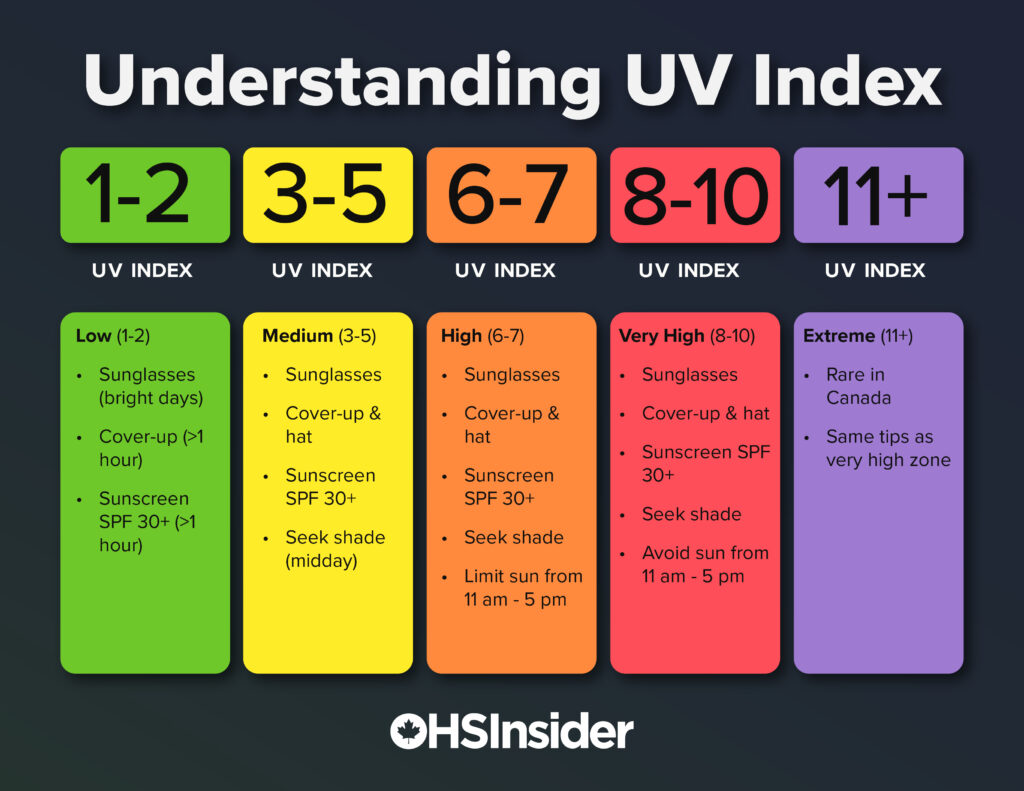
Below is a handy UV infographic, as heat stress isn't the only threat to worker safety during outdoor summer jobs.